

Projects

Impacts study on Wales’ pioneering Act, safeguarding the well-being of future generations
Evaluated the achievements of Wales’ Well-being of Future Generations Act 2015 centred on sustainable development. The world’s first policy of its kind.
Chrisiane evaluated the real-world impacts of Wales’ groundbreaking Well-being of Future Generations Act 2015. The law requires public bodies to consider long-term social, cultural, environmental and economic well-being in Wales and beyond. Her research spanned across key sectors like transport, waste, economy, land-use planning, education and the health sector with insights from stakeholders like the Minister of Climate Change, to Wales’ Chief Executive of NHS to private businesses.
The study helped shape communication production, local and global conversations around the Act’s bold vision for a fairer, greener future.

Source: Wilkinson Eyre
Lord’s Cricket Ground, London, Buro Happold
Led strategic circularity efforts to align design with GLA’s (Greater London Authority) & client’s sustainability commitments.
Chrisiane led the circular economy strategy for the £61.8M development of Tavern & Allen Stands as part of Lord’s Cricket Grounds, the “Home of Cricket”. Chrisiane coordinated with the client, Marylebone Cricket Club (MCC), architects and engineers to ensure circularity has been considered in the design with the aim of retaining value as much as possible.
In keeping with MCC’s circularity aspirations and sustainability commitments, the existing Tavern stand will be partly retained estimated to save 613.7 tonnes of CO2 (the equivalent of 18,361 train journeys from London to Bath) meeting ‘Excellent’ standard for BREEAM. Other circular interventions includes:
using reclaimed bricks
reusing floodlight luminaires
reusing stadium seats, support rails and LED screens.

Canning Town Estates Regeneration, London, Buro Happold
Source: Jestico + Whiles
Coordinated circular economy aspirations for a major regeneration project of up to 1,750 new homes in London.
Chrisiane also led the circular economy strategy for transforming three estates with up to 1,750 new homes and public spaces commissioned by the London Borough of Newham. Chrisiane coordinated with the client, architects and engineering disciplines, intending to retain a significant number of existing maisonettes and houses that are both economically viable and environmentally better than full demolition and new construction.
Chrisiane led the project at pre-application stage with the regeneration project ultimately receiving planning approval. The circular economy aspirations fits the project's wider sustainability vision:
“to create an equitable, carbon neutral development that enhances the environment and enables the community to be safe and to flourish.”

Portraits of Our Future: translating policies into everyday realities, Sydney, Australia
Bridging long-term policy-making and the lived experiences of Australians.
Chrisiane provided research support for Portraits of Our Future, a national initiative that translates complex policy debates into lived Australian experiences through fifteen in-depth explorations of complex and niche policy landscapes.
This work supported the Australian Parliamentary Group for Future Generations, informing advocacy to advance the Wellbeing of Future Generations Bill 2025 and promote long-term, people-centred policy.
The study highlights how short-term decision-making has driven today’s cost-of-living, health, housing, agriculture, education system, and climate challenges, among other issues. The initiative advocates for long-term thinking as the foundation of leadership by grounding the future in real people, real issues, and real hope.
This study supplements the 18-month National Conversation Development Lab, a large-scale national dialogue launching in June 2026.
“Chrisiane provided essential support at a critical stage of the project, demonstrating flexibility, focus, and a consistently high standard of research excellence. Despite tight timelines, she remained reliable, calm, and rigorous, integrating seamlessly with our team’s ways of working. She is deeply values-driven, a joy to work with, and delivers work that inspires confidence and trust. I would gladly work with Chrisiane again and recommend her without reservation.”
- Taylor Hawkins, Managing Director of Foundations for Tomorrow
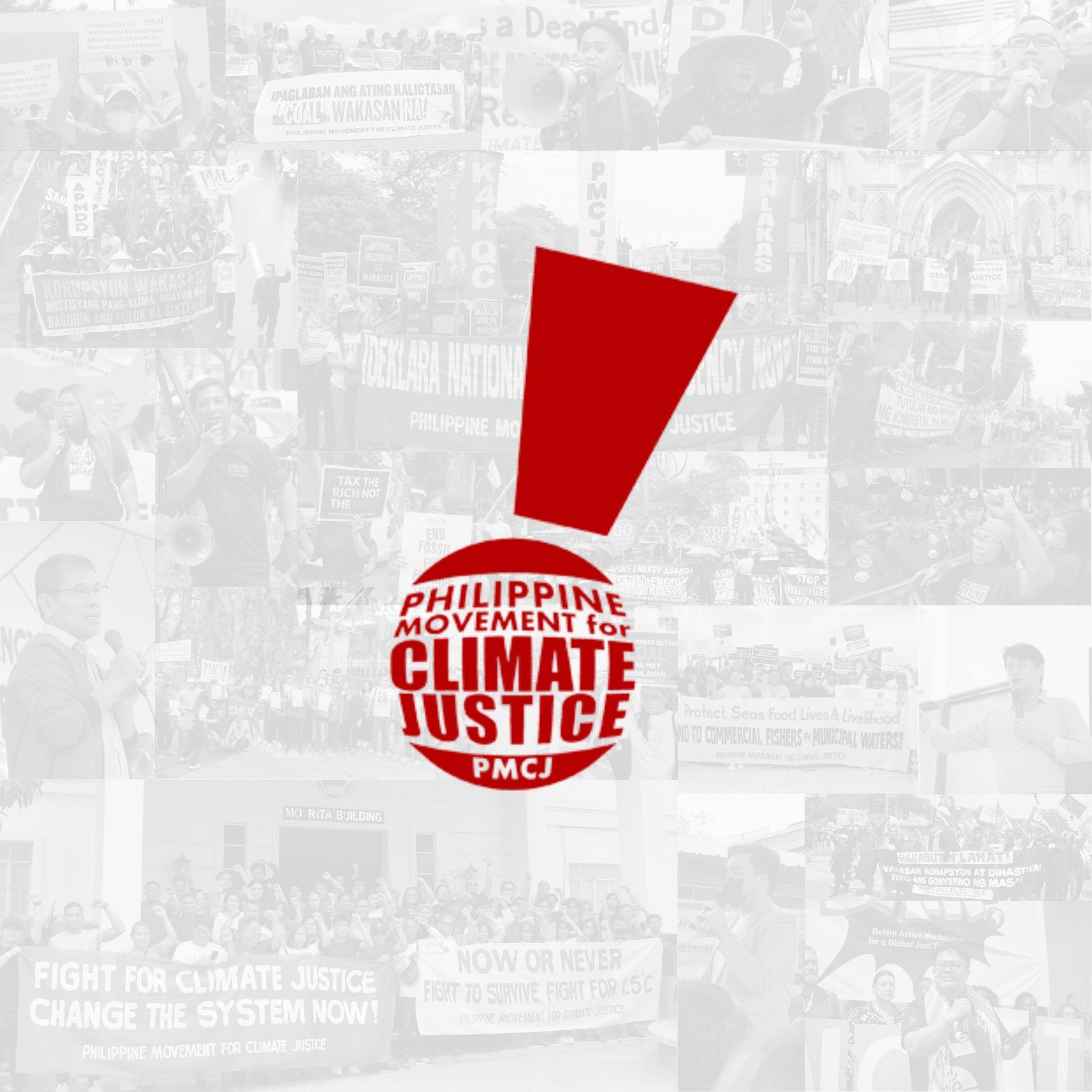
Source: Philippine Movement for Climate Justice
Thesis in Practice: Philippine Movement for Climate Justice
Applying place-based climate justice research to inform the strategic direction of the largest climate CSO in the Philippines
Chrisiane completed her master’s thesis, "Articulating Climate Justice at the Grassroots in the Philippines." at the University of St Andrews in 2021 and graduated with a Master of Science in Sustainable Development.
Today, the thesis is helping inform the strategic direction of the Philippine Movement for Climate Justice (PMCJ), the largest civil society coalition in the Philippines focused on climate justice, representing more than 150 member organisations.
Her thesis offers strategic insight and validation to support PMCJ’s consolidation, resilience, and long-term sustained movement. Key findings and actions includes :
Centring marginalised communities in decision-making: Actively include farmers, fisherfolk, Indigenous peoples, women, youth, and other marginalised groups on the frontline of the climate crisis in leadership, planning, and policy advocacy to address layered climate impacts.
Strengthen inclusive and participatory practices: Build organisational systems that prioritise community participation, continuous learning, and adaptive capacity so climate justice work enables communities to thrive, not just survive.
Leverage bottom-up strategies within a broader ecosystem of social movements beyond climate justice: Develop grassroots leadership and coordinate actions such as protests, climate litigation, lobbying, and policy/finance interventions at local, national, and international levels.
Apply lessons to sustain and scale impact: Use the study’s insights to help climate justice organisations in the Philippines navigate complex challenges, maintain momentum, and strengthen grassroots-led climate justice initiatives.
“Chrisiane’s voluntary consultancy with PMCJ also reflects the critical role of the Filipino diaspora in advancing climate justice struggles in the Philippines. As a member of the diaspora, her research and continued engagement demonstrate how Filipinos living abroad can meaningfully contribute to movements at home. From the Philippines to the world, PMCJ hopes that her example inspires more Filipinos in the diaspora to support, engage with, and undertake similar work in solidarity that strengthens people’s movements and advances climate justice in the Philippines and beyond.”
- Philippine Movement for Climate Justice